At some point your toddler will ask. Not always in words, but you notice it. They pick up a photo and look at you with a question in their eyes. They point to a baby photo on the wall and say: that's me. It is the beginning of something that stays throughout the whole of childhood: the need to know who you were before you knew who you are.
Toddlers understand more than we sometimes think. They do not yet grasp a timeline, but they feel the warmth of a story that is about them. That makes this a particular moment to start telling.
What telling a toddler about being a baby actually means
It is not about a complete account of the first year. It is about small fragments. The way he always touched one ear when he was nearly asleep. How she startled at the sound of her own cough. The noise he made when he was content, a kind of soft hum.
These details seem small. But for a child they are the building blocks of a sense of self. This is who I was. This is how they looked at me. This is what I did before I could say anything.
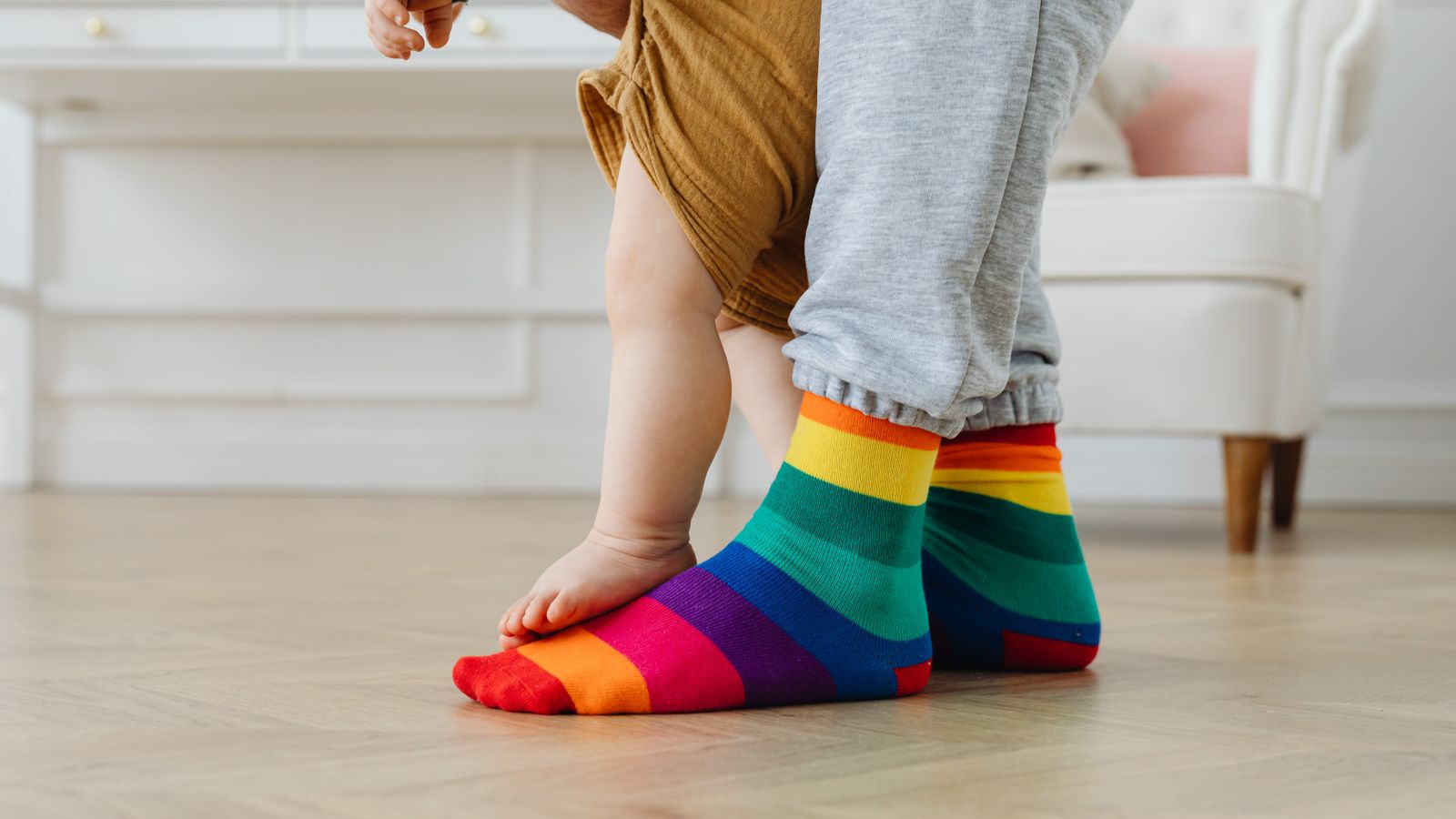
You do not need to turn it into a big story. A single sentence while getting dressed is enough. Do you remember that when you were a baby you always lifted your feet when I was putting your clothes on? You did it every single time.
I told my daughter that as a baby she always laughed when the dog barked. She still finds the dog the funniest thing in the world. She said: so that was already me.
Mother of a three-year-old girl
Why this moment passes
Toddlers are in a brief phase where they see the past as something almost magical. Growing up feels enormous to them, almost unbelievable. The idea that they were once so small, that they were carried, that someone had to explain the world to them, that idea fascinates them.
In a few years that shifts. Then the first year is simply the past. Right now it is something else: a story that touches them directly, about a version of themselves they cannot remember but want to know.
It is also a moment when you still remember a great deal. The details fade faster than you expect. Not because they did not matter to you, but because life moved on. As you can read in what you forget when your child is no longer so small, it is often the smallest habits that disappear first.
How to begin without it becoming a project
You do not need to keep a diary. You do not need a finished album. Telling can happen at any moment, without any preparation.
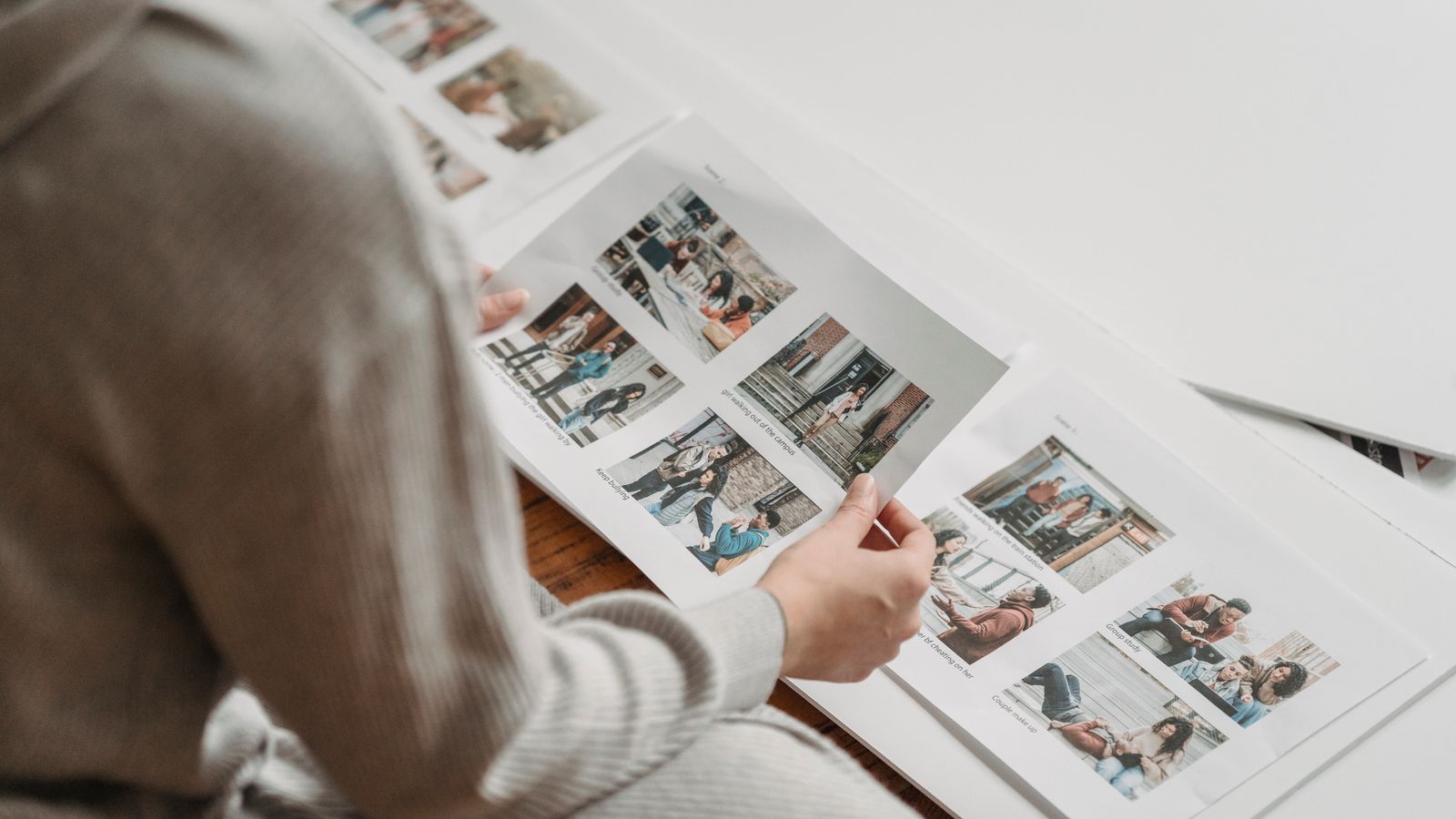
- Use photos as a starting point. Show a photo and tell them what else happened that day, something that is not in the picture.
- Feel free to repeat the same stories. Toddlers sometimes ask for them themselves. Tell again how you cried with happiness when you held her for the first time. She will remember it.
- Point out how he was already then who he is now. Drawing connections between the baby year and the present makes it tangible. You were already so curious. You always stared at lights.
- Let the harder things in too. You do not need to keep it simple. You barely slept. We did not always know what you needed. That makes it real.
If moments like these make you wish you had more to offer than what you can still recall clearly, it helps to have written something down earlier. Not as a note to yourself, but as something you can one day give to them. That is also the thought behind when your child wants to know for themselves who they were as a baby: the questions will come, they always do.
YearChapter asks a few questions each month, tailored to what you have already filled in. No blank page, no pressure to begin. Sometimes answering just one question is enough, and that single answer is already so much more than nothing.
The story does not need to be complete
Your toddler does not want the full archive of their first year. They want to know that there is a story. That you know it. That you know them, even from before they knew themselves.
That is what you can already give them now. Not as a project, not as an album, simply as something you say on an ordinary morning while putting on their shoes, as they look up at you as though they already sense something good is coming.